

How Free Streaming Sites Are Expanding Media Access for Everyone
About 3.5 billion people around the world watch video online, according to recent estimates from the International Telecommunication Union. That’s almost half the planet, tuning into stories beyond borders, genres, and languages.
Some viewers still pay for big subscription services. But many others turn to watch foreign movies online hubs and free streaming platforms to catch films they would otherwise never see. These sites may raise eyebrows among traditional broadcasters, yet millions find them a gateway to the wider world of media.
Wider Access to Content
I remember my cousin in Nairobi raving about a South Korean thriller she discovered through a free site. Back then, she had never cracked open a subtitle menu. Now she’s obsessed with international cinema online, laughing about how her first reaction was, “Wait, what did she say?”
Free streaming platforms have an edge in sheer variety. You can flip from a Nigerian drama to a Japanese documentary with a click. This means niche films and independent stories are no longer confined to dusty film festivals or tiny theaters. For many people, especially where official services are too expensive or unavailable, these sites offer a first look at cinema that feels personal and fresh.
Cultural Discovery
There’s something delightful about stumbling onto a film from a culture you knew little about. I once watched a Mexican road trip comedy that made me laugh harder than most Hollywood blockbusters. It’s easy to forget how much humor, heartbreak, and everyday life on screen can teach us about the world beyond our zip code.
By lowering financial and geographical barriers, free streaming platforms allow viewers to explore global perspectives on love, loss, joy, and struggle. This opens a window into lived experiences far from familiar backdrops, building empathy in a way a headline or tweet never could.
Media Literacy and Choice
Some critics claim that free streaming sites distract viewers from “quality” media. But there’s another take: they give audiences choice. People navigate a huge menu of films, compare styles, and learn what resonates with them. That’s media literacy in action. In fact, platforms are not just for entertainment, initiatives like streaming for impact show how online content can empower audiences with knowledge and practical skills.
Younger viewers today are less likely to passively consume whatever is fed to them. They browse forums, follow recommendation threads, and debate plot twists in online groups. Through this process, they learn to think critically about storytelling, representation, and production values. That’s healthy for media, whoever is hosting the content.
Innovation in Media
Guess what happens when audiences start exploring content outside traditional channels? Traditional media wakes up. Networks, broadcasters, and big streaming services notice trends emerging from grassroots consumption. That’s when budgets shift, subtitles get better, and more foreign films end up getting official distribution deals.
For example, several European indie films that first gained buzz through social sharing were later picked up by established platforms like Netflix and Hulu. This cross-pollination pushes creators and producers to experiment with new narratives, knowing there’s an audience ready to watch.
Media Outlets and Coverage Trends
Even media organizations are adapting. Entertainment sections in major newspapers and TV news segments increasingly cover stories born on free platforms. Reporters track which films are trending, interview creators, and explain why certain foreign titles matter. In doing so, they enrich mainstream coverage and connect audiences with stories they might otherwise miss.
That’s a win for journalism and for viewers who want more context around what they watch.
Conclusion
Free streaming platforms are doing more than filling screen time. They make media accessible to people who might never have had a ticket to a cinema, a subscription to an app, or the means to attend a festival. They expand cultural awareness, sharpen viewer choice, and nudge traditional media to innovate. As access grows, so does our shared media world, richer for every voice and every story.
When we talk about free streaming platforms expanding media access, we are really talking about widening the circle of who gets to see, share, and discuss stories from every corner of the globe.

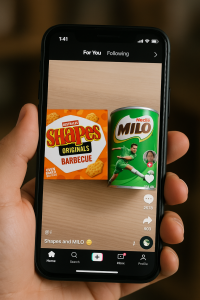 Snack marketing in Australia has come a long way. Once reliant on TV ads during after-school cartoon slots, brands like Shapes and Milo have had to evolve in a media world now dominated by TikTok, YouTube, and Instagram. What’s changed isn’t just the platforms; it’s the tone, the storytelling, and how closely brands now tie themselves to youth culture. The journey of Shapes and Milo shows how legacy snack brands—and by extension, Australian foods—have successfully adapted to stay relevant.


 Increasing knowledge of animal welfare concerns related to horse transportation depends critically on the media. Public debate and legislative changes can be started by reports on poor ventilation, crowded conditions, and careless handling during transportation.




 As the world races to transition towards clean energy, solar panels have emerged as a key player in the shift towards renewable energy. However, solar panels are still relatively expensive, and this has led to an increasing demand for used solar panels. While the benefits of using used solar panels (source: Gebruikte zonnepanelen) are clear, media coverage on this topic has been sparse. Here, we will explore the untold story of used solar panels and why media needs to pay attention.




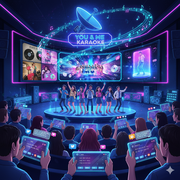 To the media industry, karaoke is a point where audio engineering, visual design and performance art collide. The lighting choreography, the quality of microphones, the reactiveness of the screens, all these facets reflect the accuracy of media production. The shirt room karaoke bars of Gangnam have brought that to another dimension. This is by combining an immersive design with bespoke service to provide an almost cinematic type of leisure.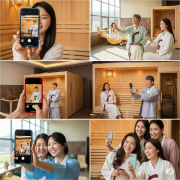
 Portable power keeps cameras rolling and microphones live. Field reporters, YouTubers, and filmmakers often work in remote or noise-sensitive locations. A loud generator can ruin a shoot. Silent power sources are essential for capturing clean audio and maintaining professionalism. This guide explores the best power solutions for content creators who need reliable, quiet energy on the go.
 These days, car covers, an all-season defense, are no longer just a practical purchase. They’re getting attention in social media posts, car care blogs, and even news features. Whether it’s a TikTok video about protecting your ride or a YouTube channel reviewing outdoor gear, car covers are becoming part of the wider conversation about protecting personal property.


 Nangs, or cream chargers, have evolved from a simple tool for whipping cream to a key ingredient in creative cooking. On platforms like Instagram and TikTok, chefs and food enthusiasts share innovative recipes and techniques using Nangs, often facilitated by convenient Nangs delivery services. This fosters a community focused on culinary innovation and pushing the limits of what’s possible in the kitchen.
 In a bustling city like Melbourne, furniture removalists are sought after not only by homeowners but also by companies that move offices for some reason or another. While finding a suitable office space takes into consideration several factors, it’s also important to select furniture removalists who can do the task of relocating to ensure a smooth transition into a new business location.
 At some stage in the lifecycle of a successful business, the enterprise will outgrow a leased space. Increase in the number of employees, overcrowding of customers in the lobby and installation of additional office equipment are indications that an enterprise has outgrown its current business and work spaces.