
The Rising Value of Recommended Gangnam Jjeom-O in Digital Media Strategy
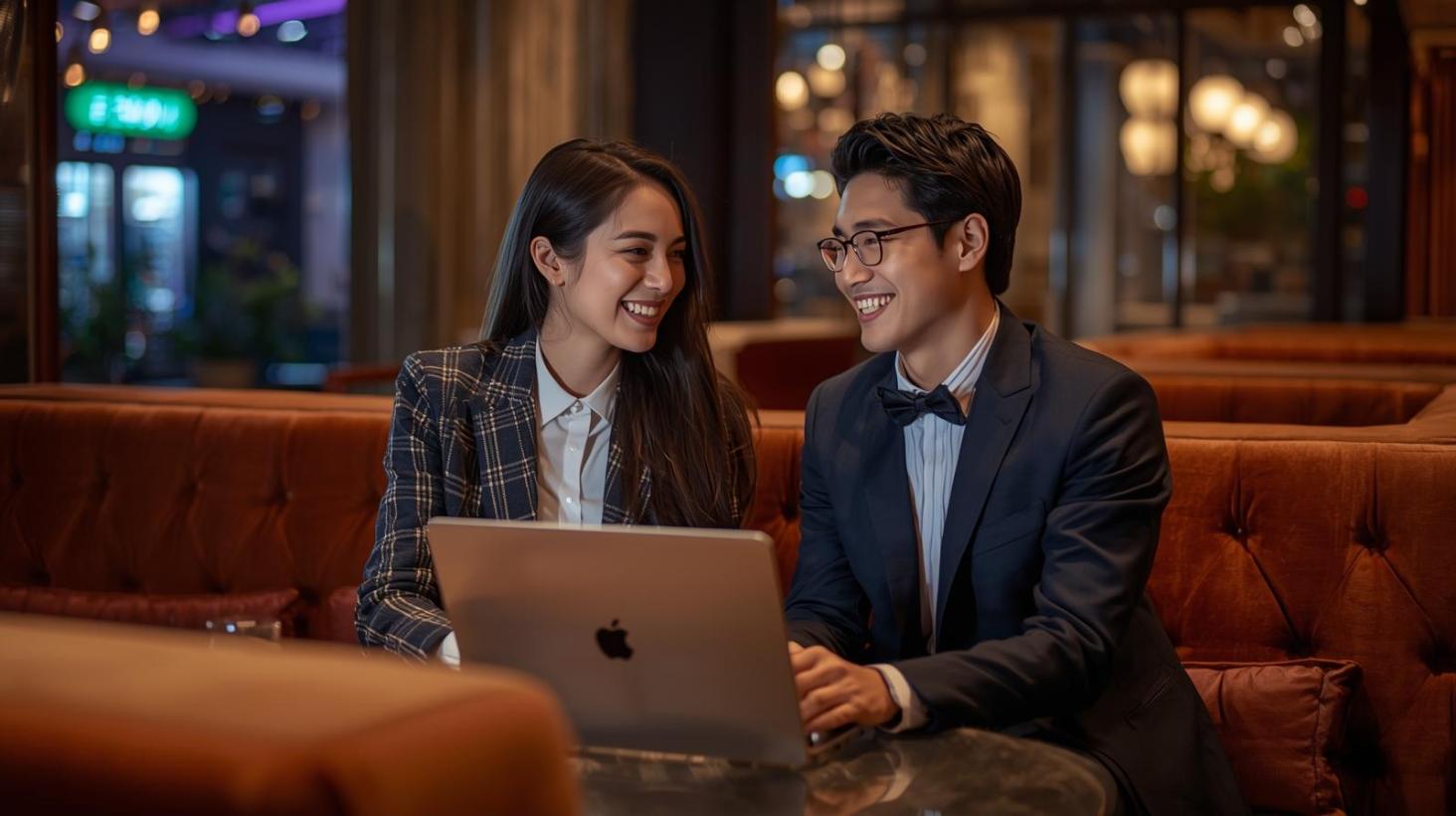
Two adults smiling in upscale lounge with blurred screen in nightlife setting.

Digital media thrives on evolving trends, curated experiences, and suggestion-based content. One such cultural touchpoint making waves is the concept of Recommended Gangnam Jjeom-O (강남쩜오 추천), a phrase that encapsulates trust, social proof, and a type of exclusivity all wrapped into one for perhaps the most divulged nightlife region in all of Seoul.

Elevating recommendation-like content on digital platforms elevates it beyond a mere list of suggestions. It is a content strategy that attracts a substantial amount of clicks, shares, and audience engagement interaction.

Why Recommendations Work in Digital Media

Digital audiences crave something that is real. These curated suggestions are more than ideas. They hold a perceived endorsement of some kind. Media outlets, influencers, or online platforms spotlighting a venue like Gangnam Jjeom-O create a recommendation culture. Emotional tenor gets constructed, and the audience feels as though they are part of an insider’s club.

Brands are able to use recommendations to structure certain behaviors for a long time. However, in the current digital age, algorithms also utilize the recommendations. Most often, search engines give recommended content a higher ranking, increase dwell time, and increase the probability of social shares. Gangnam Jjeom-O, positioned as a premium lifestyle experience, fits wonderfully within this framework.

The Influence of Lifestyle Content in Media Narratives

The media on lifestyle and entertainment recognizes the significance of location-driven narratives and positively curates places that inform and inspire. The aspirational experiences of the local and global audiences connected with the Gangnam Jjeom-O help publishers and content creators cultivate aspirational stories.

This form of storytelling turns the recommendation into something beyond advertising—it becomes a form of social critique. The recommendations for the nightlife mirror broader social dynamics when younger audiences try to locate authentic content. In this case, the recommendation from XR Ide to go to Gangnam Jjeom-O represents a lifestyle rather than just a location.


ALSO READ: What the Media Gets Right and Wrong About Word Cookies


The Sponsorship Strategy of Content-Based Recommendations

For the digital media industry, recommendation content goes beyond viewership to include financial gain. Gangnam Style epitomizes this hypothesis because of the wide acceptance of its cultural capital in business models, making it a good example of how content strategies can unify culture and profit.

In addition, the narrow focus of recommendations strengthens niche authority. Media touches that consistently showcase applicable personalized activities become industry leaders. In turn, that helps them to build repeat readership and unlock partnerships with advertisers seeking to offer them to a targeted audience.

Recommendations as Future Content Strategy

The growth of digital platforms is likely to enhance the recommendation culture. People will increasingly receive curated suggestions, spanning from nightlife to travel, as AI personalization continues to grow. Media companies that appreciate how to harness the cultural currency of recommendation, such as the case with Gangnam Jjeom-O, will continue to win the audience attention race.

Overall, recommendation-driven content is more than a fleeting phenomenon; it is a trust, culture, and audience engagement integrated strategy. Digital media content puts forth the content people wish to aspire to, and it uses recommendations to build storytelling and incredibly powerful persuasive media.

From Newsroom to New Home How Legal Expertise Helps Media Professionals Settle in Texas

Lawyer assists two journalists reviewing residency documents inside a bright modern Texas office.

Relocation is common in the media industry, so people might chase opportunities in fast-growing cities in Texas or settle down somewhere after working on the move for many years. Journalists, broadcasters, and content creators will always be dealing with the Texas state laws for marriage and divorce for people from other states.

For people trying to settle down somewhere, the Texas residency lawyer is probably the most innovative attorney around. These legal guides help prevent the hijacking of paperwork, which is often controlled by relocating and taxation processes.

These laws ensure that interstate and intrastate relocations comply with state and federal regulations, taxation, and necessary paperwork, integrating these elements with other related processes and dues from different states.

The state attracts media personnel due to its growing local media, emerging digital economy, and reasonable living expenses that are significantly lower than those in traditional media centers like New York and LA.

However, despite the exciting career opportunities Texas offers, many people still discover themselves lost in the complex legal residency requirements related to income tax, property ownership, and professional licensing.

Understanding Residency Beyond the Headlines

The more different states one works for, the more complex the specifics become. For many editors and reporters who travel to do assignments, proving Texas residency, for legal reasons or for funding, is more complex than it seems.

An experienced lawyer helps local law apply to media employees whose income and assets span multiple states. From the verification of domiciles to the visa or work permit transitions, a Texas attorney helps the professionals focus on their work rather than on the documentation processes.


ALSO READ: What the Media Gets Right and Wrong About Word Cookies


Legal Clarity Fuels Creative Freedom

Time is money for the media professionals. Not being able to fulfill a deadline or a scheduled broadcast due to pending legal issues might tarnish a career. This explains why so many professionals seek the services of lawyers who understand both the legal frameworks of the state and the intricacies of present-day media work.

A number of trusted professionals actively work to minimize the burden of paperwork. An attorney with this mindset makes sure that leases, tax documents, or proof of residency address all documents supporting the person’s claim of residency.

This proactive mindset reduces the likelihood of ever facing challenges from tax authorities and licensing boards. Most importantly, it makes it possible for professionals to engage in sufficient reporting, storytelling, and production without facing hindrances from legal frameworks.

The Wider Outlook on Professional Security

The move to Texas is not simply a lifestyle change but most commonly a career move. Texas is developing new opportunities due to the burgeoning television, digital, and publishing industries that require a stable legal foundation. Since journalists and creators are relocating to new communities, legal immigration assistance is imperative to make sure their migration is secure and lasting.

A Texas residency lawyer addresses more than just the administrative problems. They enable professionals to integrate into the media marketplace and advocate for success in the region and for the diaspora.

The Media Evolution Behind Gangnam’s “You & Me Karaoke”

Located in the middle of the entertainment sector in Seoul, You and Me Karaoke (유앤미가라오케) has become more than a simple entertainment venue. It has also come to signify the intersection of media, technology, and culture to form an experience that is more about telling a story than it is about sound.

An energetic digital illustration depicting a futuristic karaoke stage with a group of diverse young adults singing under bright spotlights.To the media industry, karaoke is a point where audio engineering, visual design and performance art collide. The lighting choreography, the quality of microphones, the reactiveness of the screens, all these facets reflect the accuracy of media production. The shirt room karaoke bars of Gangnam have brought that to another dimension. This is by combining an immersive design with bespoke service to provide an almost cinematic type of leisure.
When Media Goes Interactive

The old media had been based on a distinct separation between producers and consumers. But places such as You and Me Karaoke blur that frontier. In this case, any visitor is a performer, any moment an improvised broadcast. The lamps follow the coloring of the music. The electronic sound arrangements balance out each note automatically. And, the high definition lyric screens follow the action like a teleprompter in a live concert.

The most interesting thing is that these moments go outside the room. Visitors capture their performances and share them on social media making momentary feelings permanent. It makes a karaoke session a micro-media production. It is evidence that modern communication is becoming more and more participatory.

The Purpose of Feeling in Contemporary Media

At the age of information overload, audiences are seeking authenticity in a digital environment. Karaoke provides just that. It has no post-production, no editing. It has pure human emotion. Making their voices sing out a soul ballad or a fun pop song will become a true performance. And in nightlife in the bustling Gangnam, You & Me Karaoke is a place where these pure, rough voices can be heard.

Bridging between Media and Experience

Karaoke rooms, just like the film industry, aim to carry away their viewers as well as the participants into their own stories. With this change through the prism of media, entertainment ceases to be the viewer observing others in action but within the action itself.

Read some articles like engaging audiences through interactive media to learn further how participation among the audience is transforming media practices around the world.

Winding-Up: Where Sound Meets Story

You and Me Karaoke embodies the essence of the new media, interactive, emotional, and personal. It is where performance intersects technology and where each individual turns out to be his own narrator. It is not merely a tool, but a tool of sound and self-identification, the microphone.

Karaoke is one of the most personal media communications in an age of connection.

From TV to TikTok: How Shapes and Milo Reinvented Themselves in Media

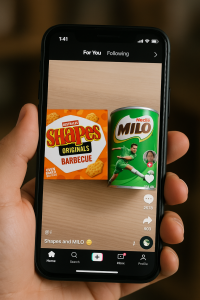
Snack marketing in Australia has come a long way. Once reliant on TV ads during after-school cartoon slots, brands like Shapes and Milo have had to evolve in a media world now dominated by TikTok, YouTube, and Instagram. What’s changed isn’t just the platforms; it’s the tone, the storytelling, and how closely brands now tie themselves to youth culture. The journey of Shapes and Milo shows how legacy snack brands—and by extension, Australian foods—have successfully adapted to stay relevant.

From the Couch to the Scroll

In the ’90s and early 2000s, snack ads were a fixture on TV. Milo commercials focused on energy and sports, aligning the drink with active kids and big dreams. Shapes, on the other hand, leaned on flavour and fun with bright packaging, cheeky taglines, and that all-important “flavour you can see.”

Back then, the audience was passive. Kids watched what was on. Brands bought prime time slots and expected attention. But today, attention is fragmented. Audiences scroll fast, skip ads, and trust creators more than companies. The shift has forced brands to rethink not just where they appear, but how they communicate.

The Shift in Strategy

For Shapes, a big change came in tone. They embraced self-awareness and humour to reach a new generation. In 2016, when they tried to change the Shapes recipe, there was public backlash. Instead of ignoring it, they leaned in. Shapes’ recent campaigns have tapped into nostalgia while playfully acknowledging their missteps. Social media comments are now part of the campaign content. They’re not just advertising to audiences, they’re talking with them.

On TikTok, Shapes content mimics the platform’s native style: fast, funny, and often absurd. Whether it’s a faux cooking tutorial using Shapes or memes about school lunch trades, the brand has found its voice in the chaos. And it works because it doesn’t feel like an ad.

Milo has taken a slightly different path. It still leans into its sports and energy roots, but has modernised its message. Instead of just telling kids to “go outside and play,” Milo now connects with youth sports culture online. You’ll see partnerships with influencers, especially young athletes or creators who blend fitness and fun. Milo’s Instagram and TikTok posts might highlight game-day routines, funny gym moments, or DIY sports challenges. The message is still about energy and achievement, but it’s now coming from peers, not just polished commercials.

The Power of User-Generated Content

One of the biggest shifts in snack marketing has been the rise of user-generated content. Brands don’t just talk. They listen, repost, remix, and amplify the content their fans create.

Shapes regularly shares memes made by fans, TikToks of people reviewing odd flavour combos, or nostalgia-laced tweets from millennials who grew up with the brand. This strategy turns everyday users into brand ambassadors. It also makes the brand feel alive, part of the culture, not separate from it.

Milo uses a similar strategy, encouraging challenges or remixable formats that young fans can copy and post. These aren’t viral stunts for the sake of it. They’re grounded in the brand’s values of fun, movement, and confidence. When a kid dunks a Milo tin like a basketball or shows off their “power up” morning routine, it fits.

Nostalgia Meets Relevance

Both Shapes and Milo benefit from decades of brand recognition. But nostalgia alone isn’t enough. What they’ve done well is bridge the gap between the old and the new.

Shapes often references its past ads, packaging, or slogans, but in formats that Gen Z finds funny or relatable. They’re not trying to pretend they’re a new brand. They’re showing that they’ve grown up with their audience.

Milo does this too. You might see a post that looks like it’s straight out of a ‘90s magazine, but it’s captioned like a meme. They know their audience might remember Milo from their lunchbox, but they’re also drinking it now, post-workout or while gaming.

What Other Brands Can Learn

The lesson here isn’t just about jumping on TikTok trends. It’s about understanding the culture of each platform and showing up authentically. Shapes and Milo didn’t abandon their identities. They evolved them.

They embraced humour, listened to their fans, and made space for two-way conversations. They stopped shouting and started participating.

For other legacy brands, the message is clear: evolving with media doesn’t mean changing everything. It means knowing who you are, knowing who your audience is today, and meeting them where they live, whether that’s on TV, TikTok, or somewhere in between.

In a world where attention is the most valuable currency, the snack brands that win are the ones that don’t just advertise. They engage. Shapes and Milo are proof that even the most traditional products can thrive in modern media if they’re willing to adapt.

What the Media Gets Right and Wrong About Word Cookies

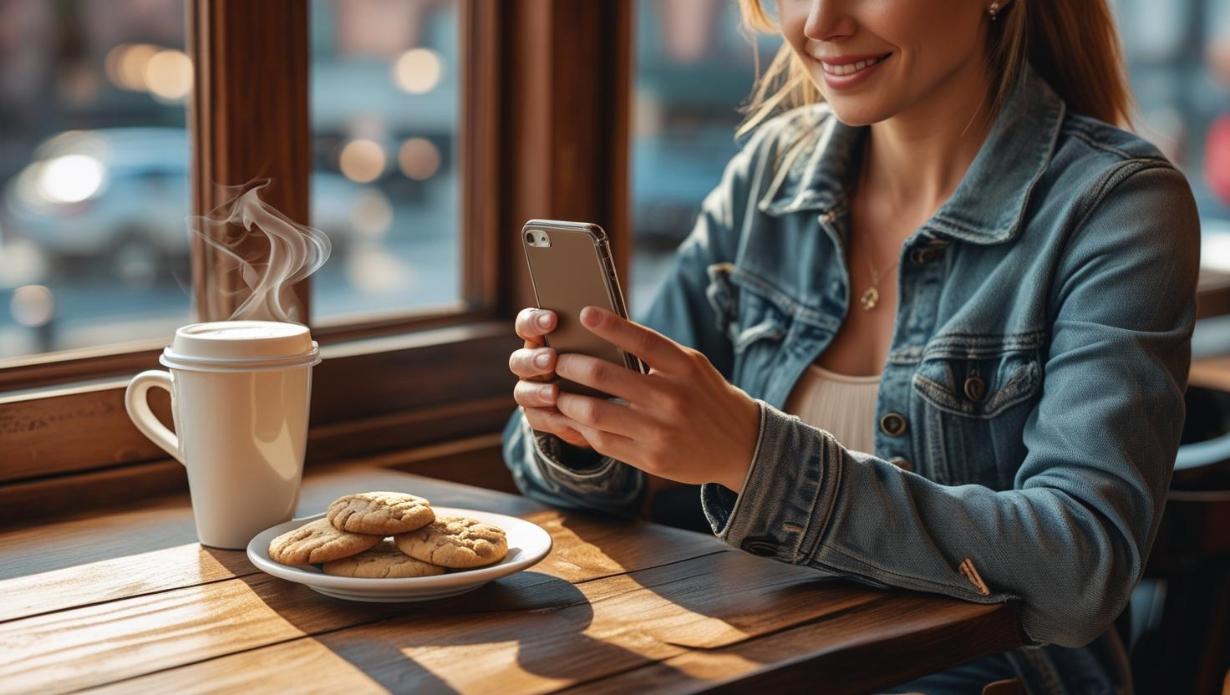
Person playing mobile word game with coffee and cookies at sunlit café.

Word Cookies has recently become a favorite among mobile gamers and is receiving attention from tech and gaming media outlets. There is a lot of media attention surrounding the game’s image, which consists of both positive and negative views.

While media attention is focused on the easier aspects of the game’s simplistic design and its addictive nature, there are other explanations that are a little bit deeper.

Media’s Positive Coverage

The media is correct in showcasing the game’s approachability. As is evident from various articles and reviews, the game is simple and open to use for everyone. From elderly people who own smartphones to seasoned puzzle game experts, Word Cookies has something for all ages and even people from different places.

Journalists also commend the game’s clean graphics and simple, responsive controls, which ensure that the players concentrate on word building and nothing more.

Positive media focus consists of balance improvement, which is often done in the form of Word Cookies. The media often emphasizes its educational benefits, stating players master the word and spelling quite easily. Readers are usually excited to learn new words in an entertaining manner, and hence this focus on mental gaming.

The game mastering media appreciation is granted to the game’s updates and changes over time. The fact that developers introduce new levels and new challenges to the game helps preserve relevance to the game. This is extremely important to small mobile games due to the fact that mobile games fade into obscurity within a few months.


ALSO READ: How Austin PPC Companies Are Redefining Media Dynamics in 2024


Where the Media Gets It Wrong

Mistakes the media make seem to cut the game’s appeal into chunks. It is simplified to yet another “casual word game,” completely forgetting the logic and strategies that come into play. While the mechanics are kept simple, advanced gameplay requires a sharp and flexible working vocabulary. This means a combination of sharp eyes and a flexible “brain dictionary.”

People’s inability to notice that the game’s success stems from the fact that the game is free to play is another mistake. While a costless approach offers something to work with, a good portion of players is captivated by the game’s structure—free and calm to help during commutes or coffee breaks, yet engaging enough to be an activity during the moment.

The sense of community that becomes indistinct with the given frame of features is yet another mistake. Players are able to share hints, discuss difficult levels and challenge each other, and engage informally online. The feeling of doing something with other players is extremely important to the game’s relevance yet is ignored during interviews.

The Balanced View

Digging through all the hype and hype surrounding the game, one can see the bigger picture. Word Cookies is not just another mobile game; rather, it is a skillfully designed puzzle game with a blend of creativity, challenge, and accessibility.

There has been a good amount of attention towards its appeal and the educational value it offers, but I also feel that there is so much more to it, especially its immense depth and the vibrant player community.

By accepting some of its casual charm and the clever balance of ease and complexity that coexist in its design, the attention Word Cookies has been getting can go beyond the mere noise of its presence and get to the core of the story that it is a game that has subtly cemented its place in mobile entertainment.

How Korean Spas and Digital Culture Are Redefining Global Wellness—with Help from OPCMD

A wave of transformation is happening across industries, from media to wellness. One standout example is the growing global fascination with jjimjilbangs, Korea’s traditional yet stylish wellness spas. These venues combine physical healing with visual storytelling, creating immersive experiences that appeal to both body and mind. For busy professionals, especially those needing a break from office work, these spaces offer a unique form of relief and recovery.

To navigate these relaxing escapes, OPCMD has become an essential online resource for discovering trusted Opi venues in South Korea. From spa-like jjimjilbangs to boutique wellness centres, OPCMD helps both locals and tourists find places that match their needs for comfort, cleanliness, and atmosphere.

Spa Aesthetics: The Fusion of Digital and Traditional Practices

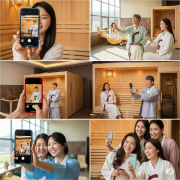
Modern jjimjilbangs are designed with both healing and aesthetics in mind. Minimalist architecture, calming lights, pastel interiors, and salt stone saunas create an environment that is not only soul-soothing but also Instagram-worthy. These wellness spaces are purposefully built for visual appeal, aligning with the social media generation’s desire to blend health and style. Many of these design elements are shared across global spa types, especially those rooted in relaxation methods like the benefits of Swedish massage.

The Global Appeal and Rebranding of Korean Wellness

Korean spas are now being rebranded as premium wellness destinations outside of Asia. With an emphasis on holistic healing and body positivity, these spas break away from heavily filtered beauty standards. Instead, they promote realness, sweating, exfoliating, detoxifying, and simply resting. It’s this raw honesty that has helped jjimjilbang culture spread globally, with content showing body scrubs, charcoal rooms, and jade beds gaining millions of views.

Wellness Through Media: TikTok, Trends, and Authenticity

Social media platforms like TikTok and Instagram have amplified the rise of Korean spas. Short-form videos showing calming spa routines, quiet sauna moments, and soothing treatments are going viral. This aligns with a broader media trend: transforming everyday rituals into shareable, visually appealing narratives. Just as other lifestyle trends have taken off online, jjimjilbang culture has gained global visibility through sincere, relatable content.

OPCMD: Bridging Discovery with Experience

As jjimjilbangs grow in popularity, platforms like OPCMD help users cut through the noise. With curated listings and reviews of spas and OP (오피) venues, the site guides wellness seekers to reliable, safe, and highly rated spaces across Korea. Whether you’re looking for a quick recharge or a full-day immersion, OPCMD is a trusted digital companion for wellness exploration.

Wellness Without Borders: A Global Cultural Shift

The jjimjilbang boom has reached the West, where spas in cities like LA, New York, and London are replicating the Korean model. Heated floors, herbal steam rooms, and gender-specific areas are being adopted as standard features. This cross-cultural shift reflects a deeper global need: wellness that is both communal and authentic—two things jjimjilbangs have always excelled at.

Final Thoughts

Korean spas have evolved beyond cultural novelty, they are now central to the international wellness movement. Their fusion of modern design, digital influence, and cultural tradition makes them a standout in the health space. Platforms like OPCMD are helping lead this charge, connecting people with places that don’t just look good on camera but also feel good in person.


Streaming for Impact: How Online Medical Spanish Content is Changing Lives

Spanish-language medical webinar

Over 41 million people in the United States speak Spanish at home. As the Latino population continues to grow, the need for effective communication in healthcare settings is more urgent than ever. Digital learning platforms are stepping up to meet this demand, using streaming technology to bridge language barriers between healthcare providers and Spanish-speaking patients.

Platforms like Common Ground International have built a growing collection of video lessons, webinars, and livestreams that make learning Spanish for healthcare both accessible and practical. Through these tools, learners not only improve their fluency but also build cultural sensitivity. These programs cover real-world scenarios, patient interactions, and crucial medical terminology that can be the difference between life and death in a clinical setting.

Digital Media Meets Medical Training

The traditional classroom model is no longer the only path to professional development. Digital learning has become a powerful equalizer, allowing nurses, doctors, and medical assistants to access training anytime, anywhere. Common Ground International’s video-based lessons, for example, are created with flexibility in mind. Whether a learner has 10 minutes during a break or a full hour after their shift, there is a module that fits into their schedule.

This kind of convenience encourages consistent learning. It also enables a wide range of healthcare professionals to stay engaged, especially those in rural areas who may not have access to in-person courses. Streaming removes the limitations of geography. A nurse in Montana can now attend a webinar led by a certified medical interpreter based in Los Angeles—something that was nearly impossible a decade ago.

Interactive Learning That Sticks

Livestreams and webinars bring interactivity into the learning process. Learners aren’t just passive viewers; they can ask questions, participate in live chat discussions, and even practice pronunciation in real-time. These formats boost confidence and help learners retain new vocabulary faster than reading alone.

Moreover, archived video libraries allow users to go back and review challenging topics. If a student is struggling with verb conjugation or patient intake conversations, they can rewatch those lessons as often as needed. This reinforcement helps with long-term retention and builds a stronger foundation for real-world application.

READ ALSO: How Math Tutoring Can Help Future Journalists and Media Analysts

Real Stories, Real Impact

Many healthcare workers have shared stories of how online Spanish training has changed their practice. A physician assistant in Texas explained how her ability to speak to a Spanish-speaking patient without a translator made the patient feel safer and more understood. A nurse in Arizona noted that even basic knowledge of Spanish allowed her to calm down an anxious child during an emergency room visit.

These stories are echoed across the healthcare community. Medical staff are gaining not just language skills but empathy and cultural awareness. And patients are receiving better care because they feel heard and respected.

Media Tools That Evolve With the Field

As medical needs evolve, so does the content. Streaming platforms regularly update their libraries to include new health topics, slang, idioms, and current medical practices. This ensures that learners are not working with outdated material. For example, recent modules include COVID-19 terminology and vaccine-related vocabulary, helping professionals stay relevant and prepared.

Additionally, mobile access is a game-changer. Many platforms offer apps or mobile-friendly websites, allowing learners to use their phones or tablets while commuting, waiting between appointments, or even relaxing at home. This removes the barrier of needing a laptop or desktop to continue learning.

Why Streaming Is Here to Stay

The impact of online medical Spanish programs goes beyond convenience. These tools empower healthcare providers to build trust, improve accuracy, and reduce misunderstandings in clinical settings. With demand for bilingual communication only expected to grow, streaming education is more than a trend—it’s a necessity.

Programs like those from Common Ground International are proving that with the right tools, language learning can be both effective and life-changing. As technology continues to advance, the quality and reach of this training will only improve. And the result? A healthcare system that serves all patients, regardless of the language they speak.

Conclusion

Streaming platforms are reshaping how medical Spanish is taught and learned. Through videos, live interaction, and updated content, healthcare professionals are more equipped than ever to communicate clearly and compassionately with their Spanish-speaking patients. The future of healthcare communication is streaming—and it’s already making a difference today.

Quiet on Set! Best Power Solutions for Field Reporters and Content Creators

portable battery pack powering a cameraPortable power keeps cameras rolling and microphones live. Field reporters, YouTubers, and filmmakers often work in remote or noise-sensitive locations. A loud generator can ruin a shoot. Silent power sources are essential for capturing clean audio and maintaining professionalism. This guide explores the best power solutions for content creators who need reliable, quiet energy on the go.

Battery-powered solutions lead the pack for silent operation. Lithium-ion battery packs, like those from Goal Zero or Jackery, offer portability and zero noise. These units power cameras, lights, and laptops without the hum of traditional generators. For example, the Goal Zero Yeti 500X can run a DSLR camera for hours. It’s lightweight, fits in a backpack, and won’t disrupt a quiet interview. Similarly, Jackery’s Explorer series provides multiple outlets and USB ports, perfect for charging devices on location. Curious about other quiet tech? Check out this quiet refrigerator list for noise-free appliances that complement a silent setup.

Why Silence Matters

Noise can sabotage a shoot. A buzzing generator in the background forces editors to spend hours cleaning audio. In sensitive settings like wildlife documentaries or intimate interviews, silence is non-negotiable. Portable power stations eliminate this issue. They run silently, ensuring crisp sound quality. Plus, they’re eco-friendly, producing no fumes compared to gas-powered alternatives.

Solar Power for Extended Shoots

Solar panels pair well with battery packs for long shoots. Brands like Anker and Renogy offer foldable solar chargers that integrate with power stations. Imagine filming in a remote forest. A solar panel can recharge your battery pack during daylight, extending your shooting time. This setup works well for YouTubers documenting off-grid adventures or journalists covering events in rural areas. However, solar power depends on sunlight. Cloudy days or shaded locations can limit effectiveness, so always have a backup plan.

Choosing the Right Battery Capacity

How much power do you need? Calculate your gear’s wattage to choose the right battery capacity. A typical DSLR camera consumes about 10-20 watts per hour. LED lights might use 30-50 watts. Add a laptop, and you’re looking at 100 watts or more. A 500Wh battery pack can handle most small shoots, but larger projects, like multi-camera setups, may require 1000Wh or higher. Check your equipment’s power draw before investing. Oversizing your battery ensures you won’t run dry mid-shoot.

Compact Inverters for Flexibility

Power inverters offer another solution. These devices convert DC battery power into AC, letting you plug in standard equipment. Look for pure sine wave inverters—they’re quieter and safer for sensitive electronics like cameras. Brands like BESTEK and Krieger make compact models that fit in a gear bag. Pair an inverter with a high-capacity car battery for a budget-friendly option. Just ensure the inverter’s fan isn’t too loud, as some cheaper models can hum during use.

Tips for Maximizing Power Efficiency

Extend your power supply with smart habits. Turn off unused devices to conserve energy. Use LED lights instead of power-hungry halogens. Keep batteries at room temperature—extreme heat or cold reduces efficiency. For long shoots, prioritize power stations with pass-through charging, letting you charge devices while the battery recharges. These small tweaks can make a big difference in the field.

READ ALSO: Engaging Audiences Through Interactive Media: Music Boxing Machines in the Spotlight

Backup Options for Emergencies

What happens when your battery dies? Always carry a backup. Small power banks, like those from Anker, can charge phones or microphones in a pinch. For larger gear, consider a secondary battery pack. Some creators even use hand-crank chargers for emergencies. These low-tech options provide a lifeline when you’re miles from an outlet. Plan ahead, and you’ll never miss a shot.

Finding the right power solution transforms your workflow. Silent, portable options like battery packs, solar chargers, and inverters give creators freedom to shoot anywhere. Whether you’re a journalist in a warzone or a YouTuber in a forest, quiet power keeps your focus on the story. Choose wisely, pack smart, and let your creativity shine without the hum of a generator.

Why Car Covers Are Getting Media Attention

These days, car covers, an all-season defense, are no longer just a practical purchase. They’re getting attention in social media posts, car care blogs, and even news features. Whether it’s a TikTok video about protecting your ride or a YouTube channel reviewing outdoor gear, car covers are becoming part of the wider conversation about protecting personal property.

Car owners are realizing that a good cover isn’t just about shielding paint from the sun. It’s also about theft prevention, cleaner surfaces, and long-term savings on repairs. With media highlighting how easy it is to protect your vehicle from damage, more people are making the switch.

Why the Media Cares About Car Covers

Media platforms often highlight the value of simple solutions to common problems. A car cover is one of those simple, affordable items that can save people a lot of money. Whether you’re watching a car detailing channel or reading an article on home improvement, chances are you’ll come across a segment about car protection.

A big reason for the attention? Weather damage. News outlets regularly cover storms, extreme heat, and snowfall. That leads to more people searching for protective gear. Media sources also compare different types of car covers—from waterproof models to dustproof indoor options—so consumers know what to look for.

Online influencers and bloggers also love practical products that show clear before-and-after results. A car that looks polished after months under a cover makes for great content. It’s visual, it’s useful, and it gets people talking.

How to Choose the Right Car Cover

You don’t need to be a car expert to choose a good cover. But you do need to know what matters. First, think about where your car stays parked. If it’s outside, look for a cover that’s UV- and rain-resistant. If it’s indoors, go for one that protects against dust and scratches.

Fit is also key. A tight, custom-fit cover will stay in place even during windy days. Many media reviews highlight covers with elastic hems and mirror pockets because they’re easy to use and stay secure.

Another thing to look for is the material. Multi-layer covers offer more protection but may be heavier. Single-layer covers are light and easy to fold, which works well for garage storage.

How Math Tutoring Can Help Future Journalists and Media Analysts

 journalist analyzing data charts

Numbers shape the news. Journalists use statistics from election polls to crime rates to inform the public. Misinterpreting data can lead to misinformation, so media professionals need a solid math foundation.

Understanding statistics, probability, and data analysis gives aspiring journalists an edge. Many students, however, struggle with math. That’s where expert guidance, such as Ashley Morris tutors: Chapel Hill, can make a difference. Strengthening math skills early helps future media analysts navigate complex datasets with confidence.

The Role of Math in Journalism

Journalists often work with numbers. Crime statistics, economic trends, and political polls require proper analysis. Without math skills, reporters risk misrepresenting data, leading to skewed narratives.

Take election coverage as an example. Reporters must analyze voter turnout, margin of error, and approval ratings. A strong grasp of percentages and probability helps present accurate, unbiased reports. When journalists misinterpret these numbers, it can lead to misleading headlines that sway public perception.

Similarly, investigative journalism often relies on financial data and statistical trends. Reporters covering corporate fraud, government spending, or environmental changes must understand numbers to present factual, well-supported stories.

Data-Driven Storytelling

Modern journalism isn’t just about words. Data visualization plays a huge role. Infographics, charts, and interactive maps help audiences digest complex information quickly.

Media outlets use software to analyze trends. Journalists working with big data need statistical literacy. Knowing how to interpret spreadsheets, recognize outliers, and detect biases improves storytelling. For instance, news organizations covering climate change often present temperature trends and carbon emissions in graph form. A journalist with strong math skills can interpret and explain these numbers in a way that engages and informs the audience.

Another example is sports journalism. Sports statistics reporters analyze player performance, team win percentages, and historical data trends. Without basic math skills, presenting these insights accurately would be a challenge.

Math in Media Analysis

Media analysts track audience engagement. They measure views, clicks, and shares to understand reader behavior. Advertisers depend on these insights to target their audience effectively.

Social media metrics also require math skills. Understanding engagement rates, conversion percentages, and algorithmic trends helps professionals refine content strategies. A small percentage change in audience engagement can signal major shifts in public interest. Media analysts who understand statistical significance can determine whether changes in metrics are meaningful or just random fluctuations.

Beyond digital media, traditional media still relies on data analysis. Television and radio stations use audience measurement tools like Nielsen ratings to track viewership trends. Print media uses circulation and demographic data to adjust content and advertising strategies.

Why Math Tutoring Matters

Many students avoid math, thinking it doesn’t apply to media careers. But mastering statistics, algebra, and probability gives them a competitive advantage. A math tutor provides personalized guidance, helping students overcome their struggles.

With tutoring, students learn how to:

  • Analyze statistical reports accurately
  • Interpret graphs and charts
  • Calculate percentages and probabilities
  • Understand algorithm-driven media trends
  • Apply mathematical reasoning to fact-checking and investigative journalism

Students who build confidence in math will find themselves more comfortable when working with numbers in media. They’ll be able to question sources, verify data accuracy, and avoid common statistical fallacies.

Math tutoring also helps develop logical thinking. Journalists must approach stories with analytical minds, evaluating claims and looking for patterns in data. A solid math foundation strengthens these skills, making students more effective reporters and media analysts.

READ ALSO: The Importance of Media Advertising to Tutoring Business

Conclusion

Strong math skills empower future journalists and media analysts. From reporting news to analyzing audience data, numbers play a crucial role. Investing in math tutoring now prepares students for a successful media career.

As media continues to evolve, the ability to interpret and present data accurately will become even more valuable. Whether covering breaking news, tracking engagement trends, or investigating financial reports, journalists and analysts who understand numbers will stand out in the industry.

Thrive Farmers in Focus: The Media’s Take on Sustainable Agriculture

Sustainable farming has become a hot topic in media circles, with growing interest in how agriculture can positively impact the planet. Thrive Farm, located in Simsbury, Connecticut, is at the forefront of this movement, championing eco-friendly practices that reduce waste and promote healthier landscapes. Their work has not gone unnoticed, with news outlets, documentaries, and online campaigns spotlighting their contributions to sustainable farming.

sustainable agriculture

Thrive Farm Connecticut: A Model for Local Sustainability

Thrive Farm Connecticut has set an example by focusing on natural lawn and garden materials like mulch, compost, and topsoil. These products improve soil health and reduce the environmental impact of chemical fertilizers. Local media has highlighted how their approach helps homeowners and businesses transition to greener practices. Coverage in news features often points to their dedication to balancing commerce and conservation.

For example, recent local coverage praised Thrive Farm’s efforts in light excavation and raised garden bed construction, empowering people to grow their food sustainably. This emphasis on community-level change resonates with audiences, making Thrive Farm a key player in the broader sustainable agriculture narrative.

Documentaries and the Rise of Agricultural Storytelling

Documentaries have become a powerful medium for showcasing the potential of sustainable farming. Thrive Farm has found its way into discussions about agricultural innovation through featurettes and short films focusing on environmentally conscious farming. These films often emphasize the importance of reducing carbon footprints, with Thrive Farm serving as an inspiring case study.

One such documentary highlighted their use of natural wood chips and compost as a substitute for harmful chemical treatments. Thrive Farm demonstrates how small-scale farming operations can significantly reduce agricultural waste by opting for these eco-friendly solutions. These visuals leave a lasting impression on viewers, encouraging them to rethink their own consumption habits.

News Features Amplify Local Farming Efforts

News outlets have played a significant role in amplifying Thrive Farm’s story. Articles and segments often focus on their eco-conscious approach to landscaping and gardening. What makes these features stand out is the human element—the stories of farmers and workers who are deeply committed to sustainable practices.

A recent news feature explored how Thrive Farm’s compost and topsoil contribute to healthier gardens and lawns while reducing landfill waste. The piece highlighted testimonials from satisfied customers, offering a glimpse into the practical benefits of choosing sustainable products. This kind of coverage informs and inspires, urging communities to support local farms that prioritize environmental well-being.

The Power of Online Campaigns

In the digital age, online campaigns have become indispensable for spreading awareness about sustainability. Thrive Farm has embraced this shift, using social media to educate followers about their products and practices. Platforms like Instagram and Facebook are rich with visual content, from photos of lush gardens nurtured by their mulch to educational posts about composting techniques.

These online efforts have not gone unnoticed. Media outlets often reference Thrive Farm’s social media campaigns as examples of how small businesses can leverage digital tools to drive meaningful change. By connecting directly with their audience, they foster a sense of community and shared responsibility for the environment.

Challenges in Media Representation

While the media has largely portrayed Thrive Farm positively, challenges remain in ensuring consistent coverage of their work. Some smaller outlets may oversimplify their contributions, reducing the narrative to mere product promotion. However, more in-depth reporting and collaborations with environmental organizations can help fill these gaps, ensuring a fuller picture of their impact.

Why Media Representation Matters

The way Thrive Farm is portrayed in the media has a ripple effect. Positive coverage boosts their business and spreads awareness about the importance of sustainable farming practices. As more people become informed about the benefits of using natural products, they are more likely to support local farms and adopt greener habits themselves.

Documentaries, news articles, and online campaigns shape public perception. By highlighting the tangible benefits of sustainable farming, the media can inspire broader change. Thrive Farm serves as a reminder that small, community-driven efforts can lead to significant environmental progress.

READ ALSO: Sustainable Agricultural Practices Offset The Negative Impact Of Climate Change In Malawi

Conclusion

Thrive Farm’s journey in sustainable agriculture is a testament to how local businesses can become powerful change agents. With consistent support from the media, their message of eco-friendly practices reaches a wider audience, encouraging communities to think critically about their environmental impact. From documentaries to social media campaigns, the media’s take on Thrive Farm ensures their contributions to sustainability remain in focus, inspiring others to follow their lead.

𐌢